Building Guide
How to Compare Custom Home Builder Bids in Utah
Compare custom home builder bids in Utah by reviewing plans, exclusions, allowances, construction quality, and fixed-price versus cost-plus contracts.
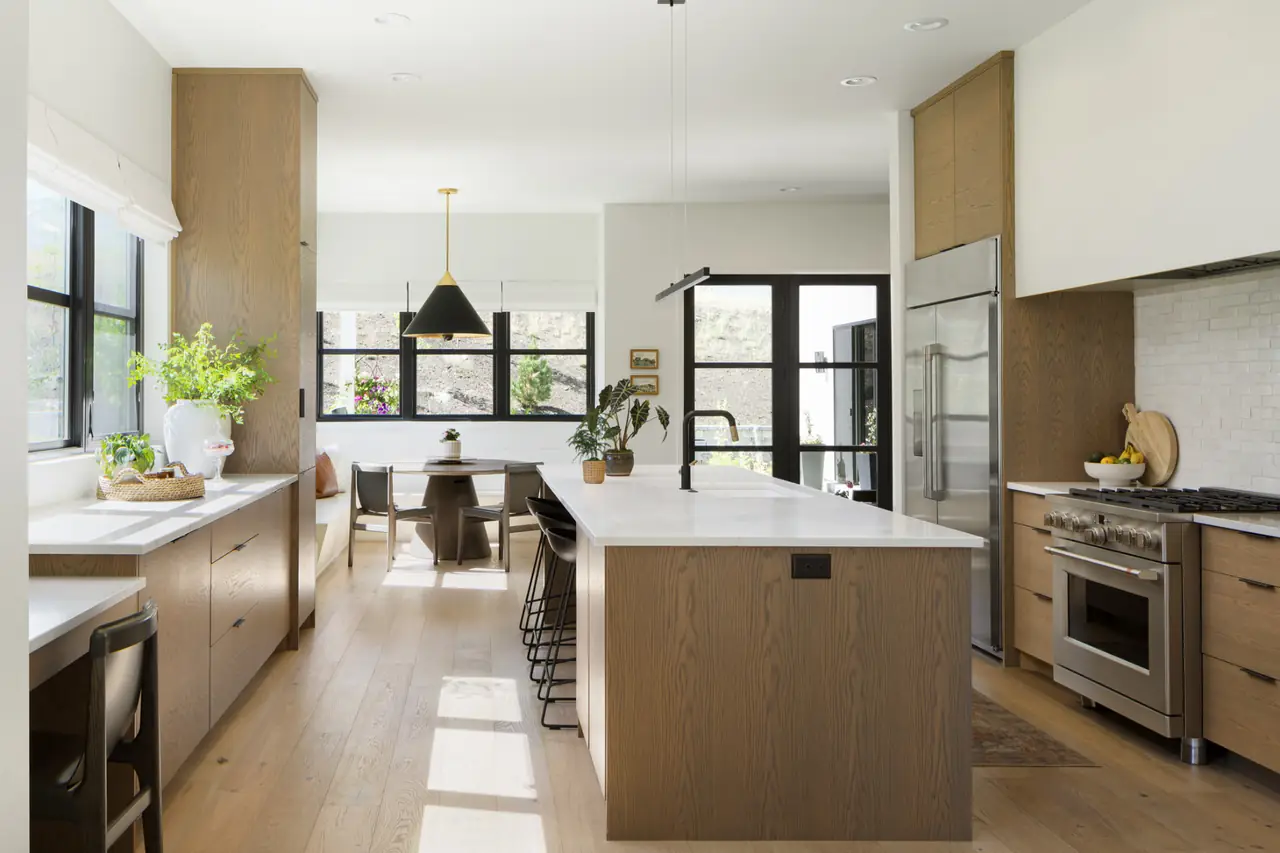
Building a custom home is a significant investment, and choosing the right builder is one of the most important decisions you'll make. When reviewing estimates from multiple builders, it's natural to focus on the total price.
But the lowest bid isn't necessarily the best value, and the highest bid doesn't always mean better quality.
Two builders can estimate the same home and arrive at very different prices. Sometimes that reflects differences in materials, craftsmanship, or overhead. Other times, it simply means they aren't pricing the same things.
Before selecting a custom home builder in Logan, Cache Valley, or anywhere in Utah, it's important to understand exactly what you're comparing.
1. Make Sure Every Builder Is Pricing the Same Plans
The foundation of an accurate comparison is a consistent set of construction documents.
If one builder is estimating from preliminary floor plans while another has detailed architectural drawings, structural engineering, and finish specifications, the two estimates aren't directly comparable.
Ideally, every builder should receive the same:
- Architectural and structural plans
- Window and exterior door specifications
- Cabinetry and millwork details
- Flooring, tile, and countertop selections
- Plumbing and lighting fixture specifications
- Heating, cooling, and insulation requirements
- Site plans and known property conditions
The more decisions that remain unresolved, the more assumptions each builder must make.
At Duke Building Co., we emphasize completing the design before construction begins. This allows us to obtain pricing from subcontractors based on actual selections and construction details rather than relying on broad estimates.
Learn more about why we complete the design before construction begins.
2. Look Beyond the Total Price
One of the biggest mistakes homeowners make is assuming that everything needed to complete the home is included in the quoted price.
A builder may submit a lower proposal by excluding work that another builder has already accounted for.
Common items to verify include:
- Site preparation: Excavation, grading, soil removal, rock excavation, and retaining walls.
- Utilities: Water, sewer, power, gas, and connection fees.
- Exterior improvements: Driveways, sidewalks, patios, landscaping, and irrigation.
- Interior finishes: Appliances, mirrors, shower glass, closet systems, and shelving.
- Professional services: Engineering, permits, impact fees, and inspections.
- Final construction costs: Cleanup, final grading, and other work necessary for occupancy.
Not every builder should be expected to include every one of these items. Some are intentionally excluded because the homeowner plans to complete them separately.
The important thing is that exclusions are clearly identified before you sign a contract.
This is especially important in Cache Valley, where sloped properties, varying soil conditions, and rural utility connections can substantially influence site-development costs.
3. Pay Close Attention to Allowances
Allowances are one of the easiest ways for two bids to appear comparable when they actually aren't.
An allowance is a budgeted amount for an item that hasn't been fully selected or priced.
For example, consider two builders estimating the same kitchen:
| Item | Builder A | Builder B |
|---|---|---|
| Cabinetry | $35,000 | $50,000 |
| Countertops | $6,000 | $10,000 |
| Appliances | $8,000 | $15,000 |
| Total | $49,000 | $75,000 |
These are hypothetical figures for illustration, not actual Duke Building Co. bids.
Builder A's estimate is $26,000 lower, but that doesn't necessarily mean Builder A can deliver the same kitchen for less money.
If the homeowner ultimately selects cabinetry, countertops, and appliances comparable to Builder B's allowances, much of that apparent savings disappears.
This is why allowances deserve careful attention.
Ask each builder whether their allowances reflect the quality of finishes you actually want, whether installation and taxes are included, and how differences between allowances and actual costs will be handled.
A realistic allowance is far more valuable than an artificially low number that makes an estimate look attractive.
4. Understand the Difference Between Fixed-Price and Cost-Plus Contracts
Another important consideration is the type of construction contract being offered.
Fixed-Price Contracts
A fixed-price contract establishes an agreed price for a defined scope of work.
When the plans, specifications, and selections have been properly established, this approach can provide greater budget predictability.
However, homeowners should still review provisions for owner-requested changes, unforeseen site conditions, allowances, and other potential adjustments.
Cost-Plus Contracts
Under a cost-plus arrangement, the homeowner generally pays actual construction costs plus an agreed builder fee.
This can provide flexibility and visibility into project expenses, but the final construction cost may not be known in advance.
Neither contract structure automatically guarantees a better result.
The important question is how costs are calculated, which risks each party assumes, and how the builder manages the budget.
At Duke Building Co., we prefer fixed-price contracts supported by detailed plans and specifications. We believe homeowners benefit from understanding the agreed cost of their home before construction begins.
Read our guide to fixed-price versus cost-plus construction contracts.
5. Compare Construction Quality, Not Just Finishes
It's easy to compare obvious design elements like countertops, flooring, and cabinetry.
However, many of the most important differences between custom homes are hidden behind the walls.
Look closely at the specifications for:
- Foundation systems and waterproofing
- Windows and exterior doors
- Insulation and air sealing
- Heating and cooling equipment
- Roofing and exterior materials
- Framing and structural details
- Plumbing and electrical systems
Ask builders to identify the products, materials, installation standards, and performance specifications included in their proposals.
A bid that includes higher-performing windows, additional insulation, or more durable materials may cost more initially but offer meaningful benefits over the life of the home.
Quality isn't simply about selecting the most expensive products. It's about understanding where better construction methods and materials provide lasting value.
6. Ask How Changes and Additional Costs Are Handled
Even with excellent planning, changes sometimes happen during construction.
You might decide to upgrade flooring, add cabinetry, relocate a light fixture, or modify a bathroom layout.
Before signing a contract, ask your builder:
- Will I receive written pricing before additional work begins?
- How are labor, material, and subcontractor costs calculated?
- Is there a markup on change orders?
- Will I approve changes before they are performed?
- How will changes affect the construction schedule?
A well-managed change-order process helps prevent disputes and keeps homeowners informed about their budget.
It's also worth asking how the builder addresses unexpected conditions that weren't reasonably identifiable when the original price was established.
Clear communication about additional costs is just as important as the original contract price.
7. Evaluate the Builder's Process and Communication
A construction bid tells you what a builder expects to charge. It doesn't necessarily tell you what the building experience will be like.
Consider how each builder approaches scheduling, project management, communication, and quality control.
Who will oversee construction? How often will you receive updates? How are questions and concerns documented? What happens if a subcontractor falls behind schedule?
Ask to see examples of how the builder communicates with homeowners during construction.
You should also understand the anticipated timeline, payment schedule, warranty coverage, and process for resolving issues after completion.
A builder who is organized and responsive before signing a contract is demonstrating qualities that will matter throughout the project.
8. Verify Experience, Licensing, and Insurance
Before making a final decision, take time to evaluate the builder beyond their proposal.
Review completed homes, request references, and ask previous clients about their experience.
In Utah, you can verify a contractor's license through the Utah Division of Professional Licensing.
You should also request appropriate insurance documentation and review the builder's written warranty.
When speaking with previous homeowners, consider asking whether the project stayed reasonably close to its original budget, whether the builder communicated effectively, and how concerns were resolved.
A beautiful finished home matters, but so does the process of getting there.
How to Make an Apples-to-Apples Comparison
Once you've received multiple bids, the best approach is to create a simple comparison that accounts for differences in scope and specifications.
Start with each builder's original price, then identify:
1. Missing work that would need to be added to complete the home.
2. Differences in allowances for items you haven't selected.
3. Differences in construction materials and specifications.
4. Additional fees, contract terms, or potential cost adjustments.
5. Differences in project management, schedule, and warranty coverage.
After making these adjustments, you'll have a much clearer understanding of what each builder is actually proposing.
If one proposal is significantly less expensive, ask why.
There may be a legitimate advantage in purchasing, efficiency, or construction methods. But there may also be meaningful differences in what's included.
A reputable builder should be willing to explain their numbers and help you understand those differences.
Our Approach at Duke Building Co.
At Duke Building Co., we believe transparency begins long before construction.
We put considerable effort into the design and planning phase so that our homeowners can make informed decisions about their investment.
Our approach emphasizes complete plans, thoughtful selections, detailed pricing, and a clearly defined scope of work before construction begins.
We know that our pricing won't always be the lowest. Our goal is to provide an accurate, well-supported price for the home our clients actually want to build.
We would rather help a homeowner understand the complete cost of their project upfront than surprise them with expenses that could have been anticipated during planning.
The Bottom Line
When comparing custom home builder bids in Utah, remember that the best bid isn't necessarily the cheapest. It's the one that most accurately represents the home you expect to receive.
Take time to compare the details, ask questions, and understand the construction process before making your decision.
The right builder should provide confidence not only in the quality of the finished home but also in the planning, pricing, and communication that get you there.
If you're considering building a custom home in Logan, North Logan, Providence, Hyde Park, Smithfield, Wellsville, or elsewhere in Cache Valley, we'd welcome the opportunity to discuss your project.
Contact Duke Building Co. to learn more about our custom home building process.
Questions about How to Compare Custom Home Builder Bids in Utah
How many custom home builder bids should I get?
Two or three qualified builders is generally a reasonable starting point. Focus on builders with relevant experience and give each the same plans and specifications to make comparisons meaningful.
Why are custom home builder bids so different?
Differences often come from material selections, allowances, excluded work, labor and subcontractor pricing, construction methods, project management costs, and assumptions about the scope.
Is a fixed-price construction bid guaranteed not to increase?
Not necessarily. The fixed price applies to the defined scope and is subject to the terms of the contract. Owner-requested changes, allowances, unforeseen conditions, and specifically identified exclusions may affect the final cost.
Should I choose the lowest custom home builder bid?
Not automatically. First determine whether it includes the same work, materials, and specifications as the competing proposals. A lower price is valuable when it represents genuine savings rather than omitted costs.
Can Duke Building Co. help me establish a realistic custom home budget?
Yes. We work with homeowners throughout Cache Valley to plan their homes, understand their priorities, and establish pricing based on the project's design and specifications.